2026 Gate Industry Outlook: Smart Access, Solar Power, and Supply Trends
The gate industry rarely changes all at once. It moves in small, stubborn increments: a controller firmware update here, a new battery chemistry there, a supplier finally shipping a part that was backordered for months. Then you look up and realize the whole category has shifted.
That is roughly where things stand heading into 2026. The big themes are not exotic. They are about access control that works reliably from a phone, solar and battery systems that hold up through a real winter, and a component market that has settled enough for installers to plan more than a few weeks out. Here is what matters for dealers, installers, property managers, and the homeowners who just want the driveway gate to open the first time.
Remote access apps are now the default expectation
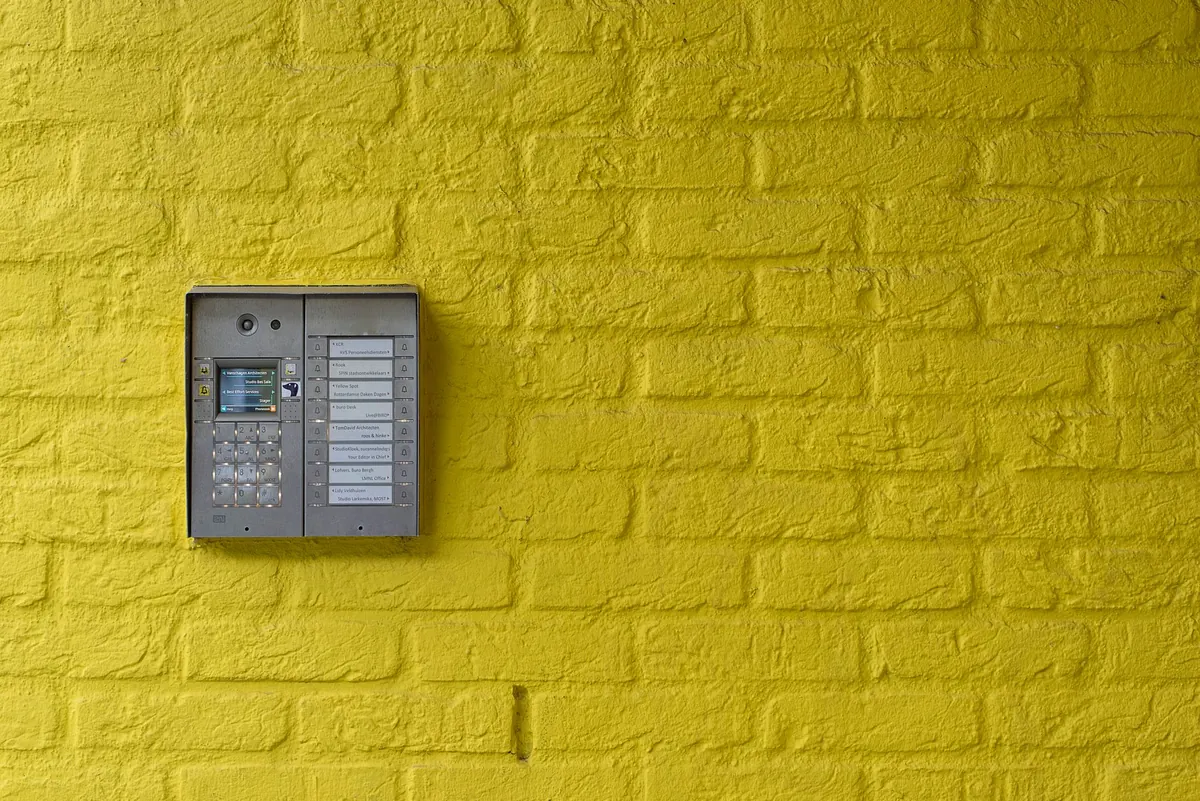
A few years ago, a smartphone app was a premium add-on. Now it is often the reason a customer buys a particular operator in the first place. Buyers ask two questions before anything else: can I open it from my car, and can I let someone in when I am not home?
Manufacturers have answered by pushing more logic into the cloud and the controller. The practical result is that a single app can manage a main gate, a pedestrian gate, and a garage door, with separate permissions for family members, cleaners, contractors, and delivery drivers. Temporary access codes that expire after a set window are becoming standard rather than a specialty feature.
The catch is that app quality varies enormously. A polished interface on a weak radio link is worse than a plain interface that always connects. When evaluating a system, ask these questions before you commit:
- Does the app talk to the gate directly over local network, through the cloud, or both? Local fallback matters when internet service drops.
- What happens during a power outage? A system with battery backup should still accept commands.
- How are guest credentials revoked? You want one-tap removal, not a support ticket.
- Is there a physical keypad or key override? Every connected system needs a non-connected path.
- Who owns the data, and how long is access history retained?
For property managers, the audit trail is often the deciding factor. Being able to show exactly when a vendor entered and exited solves a lot of arguments.
Solar power moves from novelty to practical option
Solar gate openers have been around for years, but they used to be a compromise: fine in Arizona, frustrating in cloudy regions. That is changing as panel efficiency improves, charge controllers get smarter, and low-power DC motors do more work per watt.
The strongest use case is not a suburban driveway with easy trenching to mains power. It is the rural lane, the farm entrance, the community trailhead, the property where running 300 feet of conduit costs more than the gate itself. In those settings, a solar operator with a properly sized battery bank is now a reasonable first choice rather than a last resort.
Sizing a solar gate system correctly
Most solar gate failures trace back to undersized batteries or optimistic assumptions about winter sun. A few habits prevent callbacks:
- Count daily cycles honestly. A household with two cars leaving and returning is four cycles minimum, plus deliveries and guests.
- Assume the worst month, not the best. Northern latitudes lose substantial charging capacity in December and January.
- Size the battery for three to five days of autonomy, not one.
- Angle and position the panel for winter sun, and check for shading from trees that will grow.
- Use a charge controller with temperature compensation, especially where overnight temperatures drop well below freezing.
Lithium iron phosphate batteries have become common in this space for good reason: they tolerate partial charging states better than older lead-acid designs and hold up over more cycles. They also cost more upfront, so be clear with customers about the trade-off.
Component supply has steadier footing, with caveats
The years of unpredictable lead times have largely eased. Motors, control boards, and safety sensors are generally more available than they were, and many distributors report healthier stock. That does not mean everything is easy.
Specialty items remain tight. Custom powder-coat finishes, certain architectural aluminum extrusions, and proprietary remote transmitters tied to older systems can still take weeks. Some manufacturers have quietly discontinued legacy boards, leaving installers to source replacements from dwindling aftermarket stock or sell a full control upgrade.
Two practical responses have stuck. First, stock the fast movers yourself rather than depending on next-day delivery. Second, standardize where you can. If your service fleet carries one or two common control platforms, you spend less time on the phone and more time on the job.
Standardization is not glamorous, but it is the difference between a two-hour service call and a two-day one.
Safety and compliance keep tightening
Gate safety is one area where the industry has genuinely improved, and it is not optional. Entrapment protection, photo-eye sensors, and reversing logic are baseline requirements in most installations, and inspectors increasingly look for documentation that the system was tested after installation.
If you install or maintain gates, keep a simple test log. Record the date, the devices tested, and who performed the test. When something goes wrong, that log is the first thing anyone will ask for. For property owners, this is also a liability question, and it is worth talking through with a qualified gate professional or your insurer if you manage a commercial or multi-tenant site.
What buyers are actually choosing
Value-oriented buyers want a reliable operator, a keypad, and a phone app. They are less interested in voice assistants and elaborate integrations. Commercial and multi-family buyers want credential management, integration with existing access control systems, and remote diagnostics so a technician arrives knowing what to fix.
That split matters for anyone specifying equipment. Selling cloud features to a customer who mainly wants a gate that never sticks is a mismatch. Ask what problem they are solving before you talk about the app.
Where to focus your time and budget
If you are planning a gate purchase, an upgrade, or a fleet refresh, the priorities are fairly clear. Start with the mechanical system: hinges, rollers, tracks, and alignment. A great controller on a sagging gate still disappoints. Then make sure the safety devices are present, tested, and documented. After that, add connectivity.
On the service side, spend the slow season on preventive maintenance. Lubricate moving parts, check battery health on solar units, verify that backup batteries actually hold charge, and clear debris from photo-eye lenses. Most emergency calls in January trace back to something that was ignored in October.
Finally, keep spare parts on the shelf for the systems you support most. The supply picture is better than it was, but the gate that will not open on a cold morning does not care about distributor lead times. A modest stock of sensors, batteries, and controllers turns a crisis into a routine visit.
The industry is not standing still, but it is also not chasing spectacle. The direction for 2026 is practical: access that behaves predictably, power systems that survive real weather, and equipment choices that hold up over years rather than seasons. That is a reasonable place to be.
Photo: WikiImages / Pixabay