Swing vs. Sliding Automatic Gate Openers: A Homeowner's Comparison

A driveway gate is a small daily ritual: you pull up, press a button, and wait. The difference between a swing and a sliding system shows up right there — in the wait, and in the years of space, cost, and upkeep that follow.
Neither design wins on paper. A swing gate that suits a wide suburban driveway can be a nuisance on a narrow lot, and a sliding gate that's ideal behind a hedge may be overkill where a single leaf already clears everything.
How Each System Moves the Gate
Swing operators push or pull a hinged leaf through an arc. Most homes use either an articulated arm bolted to a post and the gate frame, or an underground piston hidden in a concrete box beside the hinge. Arm models are visible but easy to service; underground ones keep the driveway clean but need drainage and cost noticeably more to install.
Sliding operators stay put. A motor at one end of the opening drives a pinion gear along a steel rack bolted to the gate, and the gate rolls sideways. Support comes from a track at ground level, an overhead rail, or — with a cantilever design — a carriage that carries the gate's weight on a foundation-mounted track tucked behind the fence line, leaving the driveway surface clear.
Space: The Factor That Usually Decides It
Every swing gate needs a clear arc roughly equal to the width of the leaf. A four-metre leaf sweeps a four-metre half-circle, and that space has to stay empty all year: no snow banks, no bins, no kids' bikes, no third car parked in the turnaround. Slope matters too. A leaf that fits on paper can scrape the ground on a rising driveway, or bind when the hinge post shifts.
Sliding gates trade the arc for a straight run alongside the driveway. Plan on the gate's width plus a little extra travel for overlap and stops, and make sure the run is genuinely straight and level. The payoff is that the gate disappears along a fence or hedge, which is why sliding systems dominate tight lots and driveways that hug a property line. Cantilever keeps the ground clear of a running track, but it needs a substantial concrete foundation to stop the gate tipping, so the groundworks bill grows.
Where the Money Actually Goes
Comparing operator prices tells you almost nothing. The installed cost of either system is the gate itself plus the operator, control board, safety devices, electrical run, concrete, and any upgrades to posts, hinges, or rollers.
Swing usually starts cheaper. If the gate, posts, and hinges are already sound and the arc is clear, the job can be relatively light: mount the operator, wire it, fit safety edges, and go. Sliding tends to cost more up front because more happens underground — foundation, track or cantilever footing, drainage, and often a sturdier gate frame to carry the drive loads.
But if your swing arc hits a slope, a wall, or a parking spot you can't give up, fixing those problems can easily cost more than the sliding setup that avoids them. Judge the two on installed totals, not catalogue prices. And don't forget power: a swing operator sits near the hinge post, while a sliding operator sits at the end of the run. If the only convenient supply is on the wrong side of the driveway, trenching changes the maths.
Speed and Daily Feel
The two are closer than most buyers expect. A double swing gate opens both leaves at once, so a wide opening clears almost as quickly as a narrow one — a real advantage at a busy household drive. A sliding gate travels its own width, so a longer gate simply takes longer to move. Soft start and slow-down near the limits add a second or two on either design in exchange for less wear and quieter running.
Wind is the wildcard. A solid swing leaf acts like a sail, and an undersized operator will strain on a breezy day. Sliding gates present a smaller moving profile to the wind but carry their weight on rollers, so a rough or clogged track slows them down. Open or perforated gate designs reduce wind load on both systems.
Maintenance: What You'll Be Doing in Five Years
Swing gates live or die on hinges and posts. Leaves sag, posts shift, arms work loose, and underground pistons need their drainage pits kept clear. Sliding gates live or die on their running gear: grit, gravel, leaves, and ice in a ground track wear rollers and jump wheels, and a settling foundation tilts the whole run out of alignment.
- Swing: grease hinges twice a year, check the leaf for sag and the post for movement, tighten arm bolts, and keep the sweep clear of gravel.
- Sliding: sweep or blow out the track weekly in leaf season, lubricate the rack sparingly, inspect rollers for flat spots, and watch for a gate that has started to drift or scrape.
- Both: test photocells, safety edges, and the manual release every month or two, keep the control box dry, and check the battery if you run solar.
Deciding for Your Own Driveway
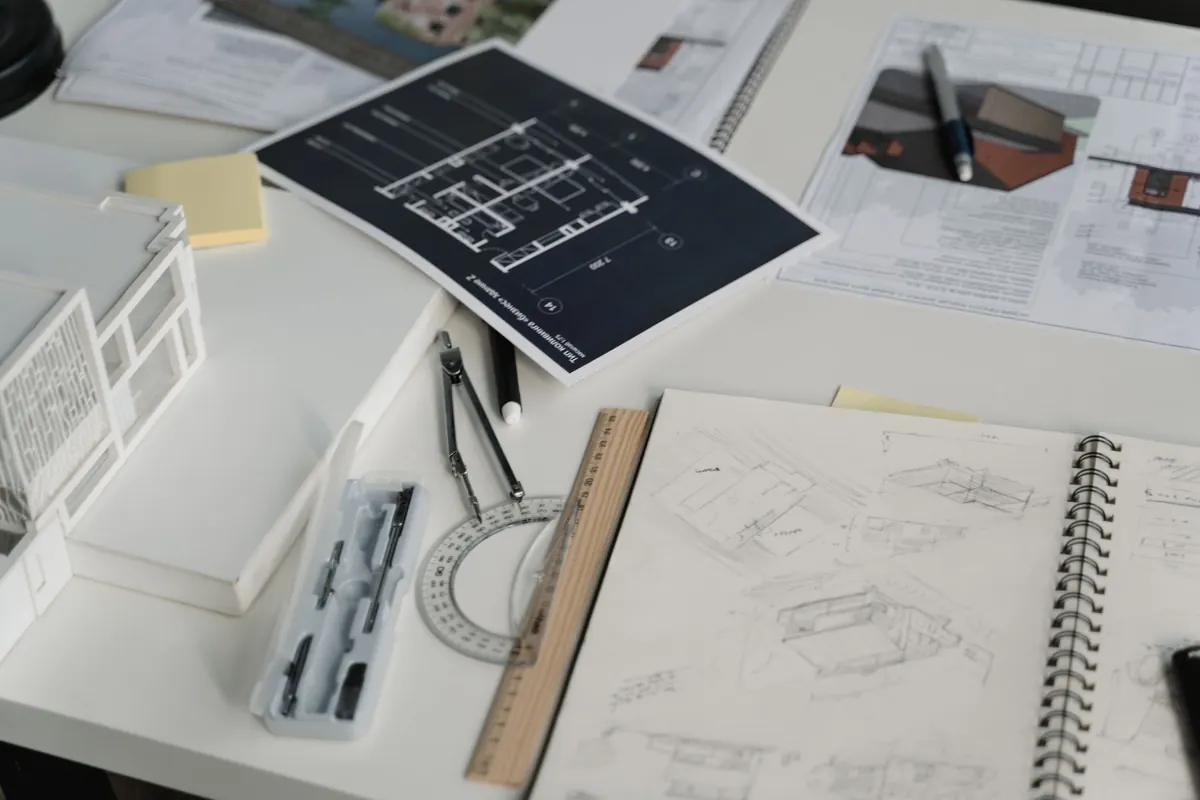
- Measure the opening and the clear space on each side, then sketch it — including parked cars and the route a delivery van takes.
- Note slope and drainage. Swing leaves need level ground through the arc; sliding gates need a straight, level run.
- Identify the power source and how it reaches the operator's position.
- Weigh the gate realistically. Solid panels on a windy site push you toward a larger operator whichever system you pick.
- Ask for itemised quotes that separate operator, gate hardware, concrete, electrical work, and safety devices, so you can compare like with like.
Safety rules for automatic gates vary by country, state, and sometimes municipality, and they tighten where a gate opens onto space the public can reach. Photocells and safety edges are the baseline; extra measures may apply to your property. Confirm the requirements with your local building authority or a qualified gate installer before you commit.
Think about the decade, not the weekend. Swing is the simpler, cheaper install on a generous, level driveway. Sliding earns its higher upfront cost on tight lots, heavy gates, steep approaches, and anywhere you'd rather not surrender the space in front of the gate. Choose the system that fits the site you actually have, and the daily wait becomes a detail you stop noticing.
Photo: Sem Van Broekhoven / Pexels